


Oura prodává miliony prstenů ročně. Investoři teď dostanou šanci vsadit na její další růst

Za dvanáct měsíců do konce června prodala Oura 3,6 milionu prstenů. Ve třech čtvrtletích do 30. června zvýšila tržby o 74 % na 1 214,5 mil. dolarů a čistý zisk vyskočil z 1,6 na 60,8 mil. dolarů. Firma, jejíž prsten ještě před několika lety znal hlavně úzký okruh nadšenců do spánkových dat, míří na Nasdaq pod tickerem $OURA.
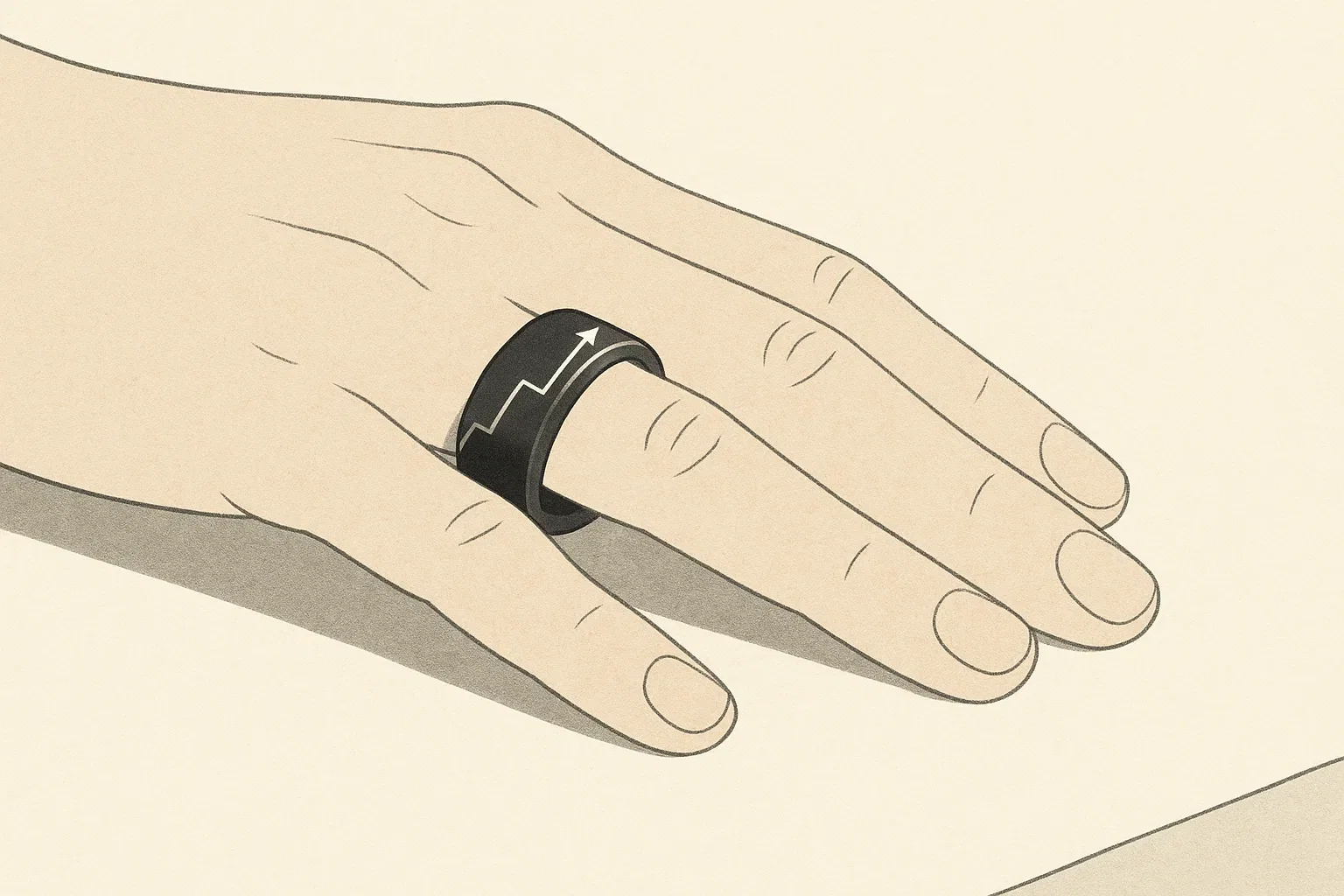
Klíčové body
Oura prodala za posledních dvanáct měsíců 3,6 milionu prstenů, a přesto pokrývá jen 2 % světových dodávek nositelné elektroniky. Třetina nových zákazníků si ji pořizuje jako svůj vůbec první přístroj, další třetina ji nosí současně s hodinkami jiné značky.
Předplatné má hrubou marži 89 %, prodej samotného prstenu zhruba 46 %. Podíl členství na tržbách přesto dva roky klesal a může za to mechanismus, který se spouští s každou novou generací prstenu.
Jedna vadná baterie srazila hrubou marži z 65 na 52 % a na reklamace drží Oura rezervu 132,3 mil. dolarů. Chyba v aplikaci stojí jednu noc práce, chyba v hardwaru dopravu oběma směry a nový kus zdarma.
Aplikace dnes nabízí rozbor krve s padesáti ukazateli, data z glukózového senzoru i placenou konzultaci s lékařem ve 43 státech USA. Od začátku roku 2027 má Oura figurovat i v desetiletém programu americké Medicare.
Prospekt nemá vyplněnou cenu ani počet nabízených akcií, přesto se mluví o hodnotě nad 16 mld. dolarů. Při tržbách 1,425 mld. dolarů za posledních dvanáct měsíců by šlo o násobek, jaký trh platí softwarovým firmám, ne výrobcům elektroniky.
Prsten ale nemusí být to nejcennější, co Oura s každým novým zákazníkem získává. Ring 5 stojí od 399 dolarů, přes 94 % aktivací prstenu ale přechází do placeného členství za 5,99 dolaru měsíčně. Platících členů má firma 5 milionů, za rok dvojnásobek, a nad jejich daty staví AI poradce, metabolické funkce, laboratorní panely, zdravotní záznamy a od června také přechod k licencovanému lékaři přímo v aplikaci.
Členství má hrubou marži 89 %, hardware přesto dodnes tvoří 80 % tržeb. K 18. září navíc prospekt neobsahuje počet nabízených akcií ani cenové rozpětí, takže kolik za akcii investoři zaplatí, se stále neví. Investor v IPO nekupuje podíl ve výrobci oblíbené elektroniky. Kupuje sázku na to, že prsten bude vstupní branou k mnohem většímu zdravotnímu byznysu.
I po milionech prodaných prstenů je Oura mezi nositelnou elektronikou okrajovým hráčem
Za dvanáct měsíců do 30. června se podle dat IDC, na která odkazuje prospekt, dodalo celosvětově zhruba 212 milionů nositelných zařízení. Oura z toho se svými 3,6 milionu prstenů pokryla asi 2 %. V kategorii chytrých prstenů je přitom jasnou jedničkou, takže to číslo neměří její slabost, ale to, jak malý výsek trhu celá kategorie zatím zabírá. Tempo prodejů neochabuje: za prvních devět měsíců fiskálního roku 2026 prodala 3,1 milionu prstenů proti 1,8 milionu ve stejném období předchozího roku, za celý fiskální rok 2025 jich bylo 2,3 milionu.
Zajímavější než podíl na trhu je, odkud zákazníci přicházejí. V průzkumu mezi novými členy, kterého se v dubnu až červnu zúčastnilo 2 972 lidí, uvedlo 33 % Ouru jako svůj vůbec první nositelný přístroj a 29 % s ní nahradilo jiné zařízení. Dalších 37 % nosí prsten souběžně s hodinkami nebo náramkem jiné značky. Oura tedy nemusí Apple Watch ani Garmin v každém souboji porazit, značná část zákazníků platí za obojí.
Prostor zůstává i geograficky. Mimo Spojené státy vzniklo v prvních devíti měsících fiskálního roku 2026 méně než 20 % tržeb z hardwaru, mezinárodní expanze je tedy teprve v rozjezdu. Prodejní síť už stojí, prsten se dostal do 56 zemí a zhruba 8 400 kamenných prodejen, takže jde spíš o to, kolik marketingu si vybudování poptávky v každé nové zemi vyžádá. Ani domácí trh není vyčerpaný, podporované povědomí o značce v cílové skupině v USA stouplo z přibližně 15 % na začátku fiskálního roku 2024 na zhruba 38 % letos na jaře. Růst povědomí ale firma kupuje. Náklady na prodej a marketing se za devět měsíců zvedly ze 140,3 na 257,9 mil. dolarů, tedy o 84 %, rychleji než samotné tržby.
Nejmladší je stopa opakovaných nákupů. Podíl prstenů prodaných stávajícím zákazníkům vzrostl z 5 % ve fiskálním roce 2024 na 9 % o rok později a na 11 % za posledních devět měsíců. U produktu s roční zárukou a novou generací zhruba jednou za rok a půl jde teprve o začátek obnovovacího cyklu, ne o ustálený zdroj tržeb.
Kategorie chytrých prstenů je pořád malá, mimo americký trh Oura sotva začala a na návratu stávajících zákazníků teprve začíná vydělávat. Hardware má kam růst i po milionech prodaných kusů ročně.