


Amerika rozjíždí nový jaderný boom. Těchto 5 akcií může těžit z miliardových investic

Americké ministerstvo energetiky v červnu podmíněně přislíbilo úvěry ve výši 17,5 mld. dolarů na nákup dlouhodobě vyráběných komponent až pro deset reaktorů AP1000 od Westinghouse. Stavba všech deseti má začít do roku 2030. Úvěry navazují na loňskou dohodu vlády s Westinghouse a jeho vlastníky, podle níž mají v USA vyrůst nové reaktory za nejméně 80 mld. dolarů. Letos v září přibyl třetí díl: Jižní Korea podle podkladů předložených parlamentu v Soulu jedná o osmi reaktorech v USA za zhruba 120 mld. dolarů, z nichž šest by mělo být AP1000.
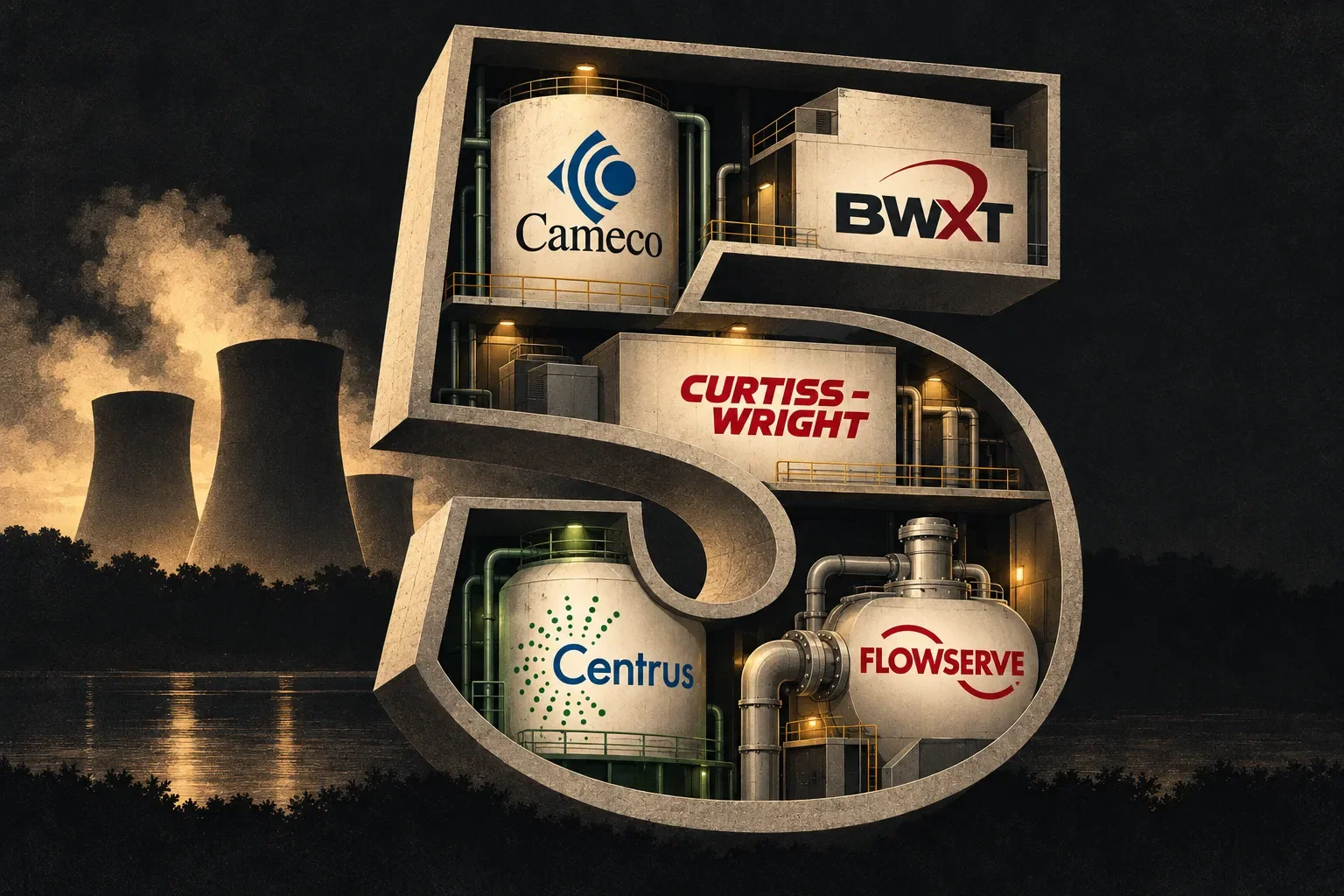
Klíčové body
Curtiss-Wright dodal hlavní čerpadla do všech dosud spuštěných reaktorů AP1000, a to zhruba za 112 mil. dolarů na jeden blok. Deset nových amerických reaktorů by mu přesto přidalo jen asi 6 % ročních tržeb.
Ventily od Flowserve mají v jednom reaktoru podle vedení hodnotu až 115 mil. dolarů, tedy prakticky stejně jako čerpadla Curtiss-Wright. Akcie Flowserve se přitom obchoduje zhruba za poloviční násobek zisku.
Americká vláda si v dohodě o reaktorech za 80 mld. dolarů vyjednala nárok na 20 % hotovostních výplat Westinghouse nad hranicí 17,5 mld. Pokud do ledna 2029 nepadne závazné rozhodnutí o stavbě, nárok zanikne.
Centrus má zakázky za 4,5 mld. dolarů, zhruba 3 mld. z nich ale platí jen pod podmínkou, že firma postaví novou obohacovací kapacitu. Výjimky pro dovoz ruského uranu přitom končí o rok dřív, než má vlastní výroba naběhnout.
Poslední dva americké reaktory AP1000 ve Vogtle stály 36,8 mld. dolarů místo plánovaných 14 mld. a do provozu šly o sedm let později. Nový plán přesto počítá s tím, že stavba deseti bloků začne do roku 2030.
Žádný z těchto kroků zatím neznamená podepsanou stavbu. Úvěry jsou podmíněné, korejská dohoda není uzavřená a v Americe dnes běží jen dva reaktory AP1000, bloky 3 a 4 elektrárny Vogtle v Georgii.
Peníze přesto potečou dřív, než kdokoli reaktor definitivně objedná. Úvěry financují čerpadla, tlakové nádoby a další těžké komponenty ještě před konečným investičním rozhodnutím jednotlivých projektů. Kdo sedí na začátku řetězce, dostane zaplaceno jako první.
Pět firem v tomto přehledu přitom pokrývá různá místa řetězce a stejný reaktor pro ně znamená velmi rozdílné peníze vzhledem k jejich velikosti. Pro jednu jde o jednotky procent tržeb, pro jinou o podíl ve firmě, která reaktor navrhla a bude ho desítky let zásobovat palivem a servisem.
Pět účelových firem, rámec za 80 miliard a korejská rezerva: co z plánu skutečně platí
Nejdál ze tří oznámení je červnový úvěr. Podle podkladů jednoho z vlastníků Westinghouse má pokrýt až pět lokalit po dvou reaktorech. Za každou vznikne účelová společnost Westinghouse a konkrétní energetické firmy, která komponenty objedná a bude je držet na účet budoucího provozovatele. Tlakové nádoby, parogenerátory a čerpadla se tak začnou vyrábět sériově, ještě než projekt dostane zelenou. Podle ministerstva to může stavbu zkrátit až o tři roky. Příslib je ale podmíněný a k čerpání peněz vede ještě vyjednání finálních úvěrových smluv.
Dohoda za 80 mld. je zatím jen rámec. Vláda se v ní zavázala zajistit financování a urychlit povolování, peníze mají podle právního rozboru kanceláře K&L Gates pocházet z části japonského investičního příslibu Spojeným státům. Konkrétní reaktor za tuto částku zatím nikdo neobjednal.
Korejský díl je nejčerstvější a nejméně hotový. Soul podle informací předložených parlamentu počítá s výstavbou ve třech vlnách (dva, čtyři a dva reaktory) a z celkových 120 mld. si vyjednal 20 mld. jako rezervu na překročení nákladů. Nejistá je dosud skladba: Washington podle korejské televize SBS chtěl všech osm bloků AP1000, Soul trvá alespoň na dvou vlastních APR1400.
Proč nestačí pět těžařů uranu
Nový reaktor potřebuje první palivo až těsně před spuštěním, tedy u bloků zahajovaných kolem roku 2030 řadu let po začátku stavby. Peníze z úvěrů přitom tečou hned, a to výrobcům komponent. Těžař uranu na plánu vydělá nejpozději ze všech.
Pětice proto pokrývá pět různých míst a časů: podíl na projektantovi reaktoru spojený s palivem a servisem, čerpadla primárního okruhu, ventily a průtokovou techniku, těžkou strojírenskou výrobu a obohacování uranu. Výrobci komponent dostávají zaplaceno během stavby, palivový řetězec až po spuštění, zato po celou dobu provozu.
Šíři řetězce ukazuje údaj samotného Westinghouse: každý dvoublokový projekt AP1000 podle firmy vytváří nebo udržuje 45 000 výrobních a inženýrských míst ve 43 státech. Z pěti vybraných firem přitom jen dvě mají v AP1000 dodávku, kterou lze vyčíslit na jeden reaktor, a jen jedna vlastní podíl na samotném projektantovi.